


The intricate colors and designs of the Tabernacle’s ceiling are not mere aesthetics; they reveal profound spiritual truths and divine symbolism central to biblical faith. Understanding these elements enhances our appreciation of God’s covenant with His people and highlights the significance of worship in the ancient Israelite tradition. Discover how each hue conveys deeper theological meanings.
Unveiling the Tabernacle: A Celestial Dwelling and Its Purpose
The Tabernacle, as described in the Bible, serves as a profound symbol of divine presence and relationship between God and His people. Its intricate design and vibrant colors reflect not only aesthetic beauty but also deep spiritual meanings. The ceiling of the Tabernacle was crafted using significant hues that encapsulated heavenly themes and the glory of God. Interesting to note, each color used in the Tabernacle was meticulously chosen, as they conveyed rich theological truths that still resonate today.
Symbolic Colors and Their Meanings
The colors woven into the Tabernacle ceiling, such as blue, purple, and scarlet, were not chosen lightly. Each possessed unique meanings that contributed to the sacred atmosphere of this celestial dwelling. Here’s a breakdown of their significance:
- Blue: Represents heaven and divine revelation. It reminds worshipers of the transcendent nature of God.
- Purple: Symbolizes royalty and the sovereignty of God, illustrating His kingship over all creation.
- Scarlet: Often linked to sacrifice, it reflects the humanity of Christ and the redemptive work God accomplished through Him.
These colors together formed a heavenly tapestry that not only served aesthetic purposes but also acted as a constant reminder of the spiritual realities they represented.
Purpose of the Tabernacle
The Tabernacle functioned as a mobile sanctuary, a divine meeting place where God would dwell among His people. Its design, including the colors of the ceiling, was divinely instructed, making it a central element of worship for the Israelites during their travels in the wilderness. This sacred space was intended to facilitate communion with God, establishing a sense of proximity and intimacy with the divine. The vibrant colors reinforced this idea; visitors entering the Tabernacle were enveloped in a visual narrative that pointed to larger truths about worship and the nature of God.
Understanding the biblical meaning of the Tabernacle ceiling colors allows for a more profound appreciation of how these elements work together to convey messages about holiness, divine presence, and redeeming love. By embracing these colors, worshipers were continually reminded of the divine connection they shared, encouraging them to approach God with reverence and faith. The Tabernacle, through its design and colors, ultimately served to bridge the gap between the heavens and humanity, making it a timeless symbol of God’s desire to dwell among His people.
The Significance of Color: Exploring the Hues of the Tabernacle Ceiling
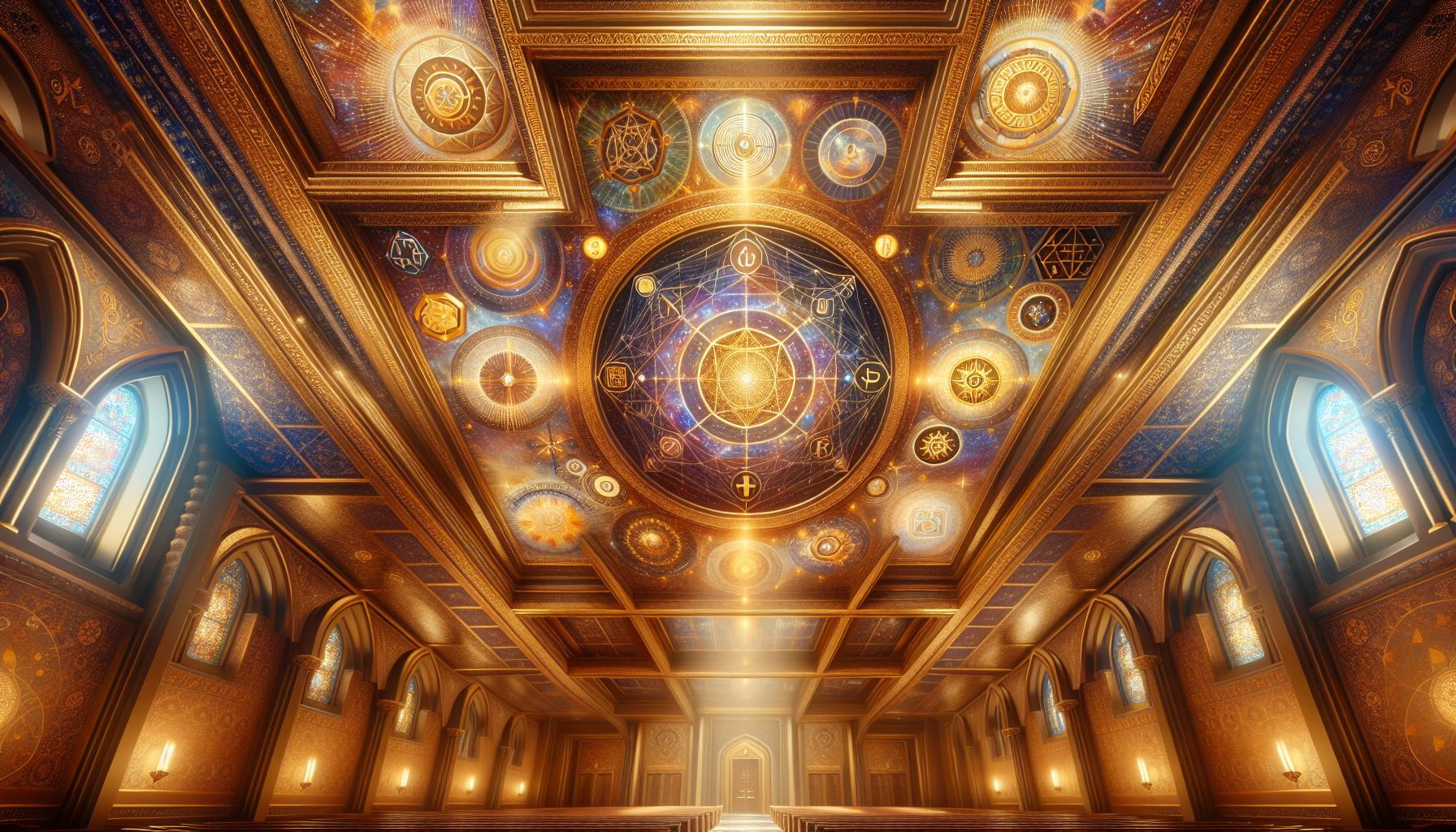
The colors adorning the ceiling of the Tabernacle are more than mere decoration; they are steeped in profound significance and divine symbolism that reflect the very nature of God and His relationship with humanity. Each hue utilized in the construction was meticulously chosen, embodying various aspects of faith, worship, and the celestial realm. The vibrant colors not only enhanced the aesthetic beauty of the sanctuary but also served as a visual representation of spiritual truths that were central to the worship practices of ancient Israel.
Symbolic Colors and Their Meanings
Within the Tabernacle, blue, purple, and scarlet were prominently featured, each color carrying distinct meanings. For instance, blue symbolizes divine revelation and heavenly connection, highlighting God’s communication with His people. It reflects both tranquility and the sky, suggesting a higher realm and God’s presence among the Israelites. Purple, often associated with royalty, signifies the sovereignty of God, indicating His authority in the lives of His followers. Scarlet, with its rich and vibrant nature, may represent sacrifice and atonement, paralleling the sacrificial system integral to the Hebrews’ worship.
- Blue: Divine revelation and connection to heaven
- Purple: Royalty and sovereignty of God
- Scarlet: Sacrifice and atonement
Another critical color used in the Tabernacle’s ceiling was white, symbolizing purity and holiness. This color was significant in accentuating God’s purity and the need for His people to approach Him with reverence and a heart free from sin. The inclusion of gold offered a geometric representation of divine glory and value, reminding worshippers of God’s holiness and majesty that they were attempting to emulate and connect with during their rituals.
In exploring the Biblical meaning of the Tabernacle ceiling colors, one can appreciate how these elements were integrated to create a sacred space distinctively set apart for worship. Through understanding the significance of these hues, modern believers can find inspiration in their spiritual lives, aiming to reflect the heavenly qualities represented by these divine colors in their daily conduct and worship practices. The Tabernacle thus serves as a timeless model, inviting followers to engage with God in a meaningful and aesthetically enriching manner.
Divine Symbolism: What the Tabernacle Represents in Spiritual Traditions

The Tabernacle is not merely an ancient structure; it serves as a profound spiritual symbol that resonates deeply across various religious traditions. In its architectural and decorative elements, particularly the ceiling, lies a rich tapestry of colors and meanings that convey divine messages. The intricate designs and hues found in the Tabernacle ceiling reveal insights into the character of God, the relationship between the divine and humanity, and the pathway toward spiritual communion.
Symbolic Colors of the Tabernacle Ceiling
The colors used in the Tabernacle’s ceiling are more than aesthetic choices; they hold significant symbolic weight. Each hue represents different aspects of the divine nature and the spiritual attributes that believers strive to embody. The primary colors featured include:
- Blue: Symbolizes heaven and the divine revelation, representing God’s presence and the spiritual realm.
- Purple: Denotes royalty and majesty, reflecting God’s sovereignty and the dignity of His calling for humanity.
- Scarlet: Represents sacrifice and redemption, echoing the blood of Christ and foundational themes of atonement.
- White: Signifies purity and holiness, reminding worshipers of the necessity to approach God with a clean heart.
These colors interact harmoniously, creating a visual and spiritual unity that draws individuals closer to understanding God’s nature.
The Spiritual Function of the Tabernacle
The Tabernacle, as articulated in the Scriptures, serves a multifaceted role in spiritual life. It was a physical manifestation of God’s desire to dwell among His people, encapsulated in the phrase “God with us.” This theme is pivotal as it invites believers to engage with God’s presence personally and collectively. The ceiling, adorned with celestial imagery, acts as a reminder of the heavenly goal believers aspire to reach. It inspires hope and encourages individuals to pursue a deeper relationship with the divine.
Real-World Application of Tabernacle Symbolism
Understanding the symbolism behind the Tabernacle ceiling encourages a meaningful spiritual practice. Here are practical steps to integrate these insights into daily life:
- Meditation on Colors: Spend time contemplating each color and its meaning. This can deepen prayer life and foster a strong personal connection to God.
- Creating Sacred Spaces: Incorporate symbolic colors into personal or communal worship spaces to draw inspiration from the colors of the Tabernacle.
- Community Gatherings: Organize study groups focusing on the Tabernacle’s significance, promoting shared understanding and fellowship.
By integrating these principles, individuals and communities can harness the transformative power of the Tabernacle’s symbolism, echoing the themes of sacrifice, royalty, and divine presence in their lives.
Textiles and Textures: Materials That Enhance Sacred Spaces
The intricate interplay between textiles and sacred spaces is deeply rooted in both tradition and symbolism, particularly when examining the architectural elements of the Tabernacle. The fabrics used in the construction of its ceiling were not merely functional; they represented a tapestry of divine meanings and spiritual significance. Within this context, the materials chosen—richly colored and carefully crafted—played a crucial role in defining the atmosphere of worship and communion with the divine.
The Importance of Color and Texture in Sacred Spaces
In the ancient world, colors carried profound meanings. The vibrant hues displayed in the Tabernacle’s ceiling, such as blue, purple, and scarlet, are reflective of heavenly attributes and royal status. These colors were derived from natural sources, enhancing their value and spiritual resonance. Incorporating such textiles emphasizes the connection between the earthly and the divine, creating a space where worshipers could experience a sense of transcendence. The textured fabrics—woven with care and precision—served to absorb sound, adding to the sanctity and ambiance of the worship experience.
- Blue: Symbolizes heaven and divine revelation.
- Purple: Represents royalty and status, indicative of God’s majesty.
- Scarlet: Often associated with sacrifice and redemption.
Creating an Inviting Atmosphere with Textiles
When constructing or decorating a sacred space today, incorporating textiles that evoke meaning can enhance the spiritual experience. Consider using materials that align with the themes and colors discussed in the biblical context. For instance, fabrics that mimic the rich textures of the Tabernacle can invite a sense of peace and reflection. Using layered textiles, such as embroideries and tapestries, allows for both visual interest and a softening of acoustics in larger spaces, promoting contemplation and worship.
For example, using draped fabric in vibrant colors as part of a design element can create a focal point throughout worship ceremonies. This not only beautifies the setting but also serves a practical purpose in guiding the congregation’s attention to areas of significance such as altars or lecterns.
Practical Tips for Textiles in Modern Sacred Spaces
To effectively integrate textiles into modern sacred spaces, consider the following actionable steps:
| Action Step | Description |
|---|---|
| Select Meaningful Colors | Choose fabrics that reflect specific themes and narratives from sacred texts. |
| Use Varied Textures | Incorporate different fabrics (like silk and linen) to create depth and interest. |
| Layer Fabrics | Drape materials in layers to enhance aesthetics and acoustics, creating a more engaging worship experience. |
| Personalize with Local Elements | Integrate local textile traditions to foster a sense of community and shared identity. |
By consciously selecting and utilizing textiles in sacred spaces, the profound symbolism reflected in elements like the Tabernacle’s ceiling can be realized today, inviting collective worshippers into a deeply enriching spiritual journey. The lessons learned from examining the “Biblical Meaning of Tabernacle Ceiling: Colors and Divine Symbolism Revealed” encourage us to appreciate the layers of meaning and devotion that textiles can embody in enhancing sacred atmospheres.
Interpreting the Divine Message: How the Tabernacle Reflects Spiritual Journeys
The Tabernacle serves not only as a physical structure but as a profound symbol reflecting spiritual journeys and divine relationships. Each element within the Tabernacle, from its colors to its architectural design, conveys a message about the nature of God and the pathway to spiritual fulfillment. For instance, the intricate ceiling of the Tabernacle featured vibrant colors and rich fabrics, representing both beauty and the divine presence. The colors utilized—blue, purple, and scarlet—carry significant meanings, representing heaven, royalty, and sacrifice, respectively.
The Colors and Their Symbolism
The various hues used in the Tabernacle’s ceiling can be interpreted as a guide for believers navigating their spiritual walk:
- Blue: Symbolizes the divine and heavenly realm, reminding worshippers of their ultimate goal of communion with God.
- Purple: Associated with royalty and kingship, this color signifies the lordship of God and the believer’s call to establish His kingdom on earth.
- Scarlet: Represents sacrifice and redemption, urging individuals to remember the cost of grace and the importance of personal sacrifice in their spiritual journeys.
Each color serves as a reminder that approaching God involves recognizing His grandeur and majesty, as well as one’s own need for humility and repentance. The divine message conveyed through the Tabernacle ceiling is relevant to the modern believer’s experience. It invites reflection on how these attributes manifest in personal faith journeys.
Practical Application in Spiritual Growth
Understanding the symbolism of the Tabernacle, especially as revealed through its ceiling, can lead to actionable steps for spiritual growth:
| Color | Spiritual Reflection | Actionable Step |
|---|---|---|
| Blue | Connection to God’s holiness and will | Engage in prayer and meditation to seek divine guidance. |
| Purple | Recognition of God’s sovereignty in life | Participate in acts of service to embody God’s kingly reign. |
| Scarlet | Understanding of Jesus’ sacrifice | Practice gratitude and remembrance through communion and personal devotion. |
Integrating these reflections into daily life empowers believers to experience transformational growth. The symbolism of the Tabernacle’s ceiling calls individuals to deepen their spiritual journey, embracing a holistic view of faith that intertwines understanding, emotion, and action. As they navigate their paths, they can draw strength and inspiration from the divine messages embodied in this sacred structure.
Personal Reflection: Finding Meaning in the Tabernacle’s Design
The intricate design of the Tabernacle serves as a profound reminder of how each element can resonate with our spiritual journey. When considering the Biblical meaning of the Tabernacle ceiling, one cannot overlook the symbolism embedded in its colors and materials, reflecting God’s divine presence and the sacred connection between the divine and the worshippers. The colors—rich purples, vibrant reds, and pure whites—speak to a divine artistry that invites personal reflection. Each hue carries its own significance, from the royal purple representing kingship to the scarlet red symbolizing redemption. These elements were not merely decorative; they were intended to draw the believer’s attention to the majesty of God.
Connecting Through Colors
Engaging with the colors of the Tabernacle ceiling creates an opportunity for self-discovery and spiritual rejuvenation. Consider how different colors impact your emotions and thoughts. For example, when you see blue, which often symbolizes heaven, do you feel a sense of peace or aspiration? Reflecting on the personal significance of these colors can help deepen your understanding of your relationship with the divine. By associating each color’s meaning with your life experiences or struggles, you can foster a more profound connection with God. Here are a few prompts to guide your reflection:
- Think about a moment when you felt God’s presence vividly—what colors surrounded you in that experience?
- How can the imagery of the Tabernacle’s colors inspire you in your daily life?
- What aspect of God do you resonate with most strongly, and how can the colors of the Tabernacle reflect that aspect?
Personal Worship Inspired by Design
The physical layout of the Tabernacle—from the outer courtyard to the Holy of Holies—encourages believers to contemplate their spiritual progression. This structure symbolizes the journey from outer obligations to intimate communion with God. As you consider the layout in light of your own spiritual life, think about where you currently stand in your relationship with God. Are you still in the outer court, engaging with surface-level worship, or have you ventured into deeper, more personal spaces of prayer and reflection?
By embodying the structure of the Tabernacle in your worship practice, you can develop a routine that mirrors this journey. Set aside time for reflection in a quiet space that symbolizes the Holy of Holies, seeking to experience the Shechinah, the divine presence. As you do this, remember how the design reflects God’s desire for closeness with His people.
Embracing the Biblical meaning of the Tabernacle ceiling and its colors can inspire not just tired rituals but lively conversations with God. Each visit to this holy space—whether in prayer, meditation, or gratitude—can transform your understanding of divine symbolism, enriching your spiritual journey and connection to the Creator.
Lessons from the Tabernacle: Integrating Spiritual Symbolism into Daily Life
The intricate designs and rich colors found in the Tabernacle ceiling carry profound significance, revealing layers of meaning that are applicable to our daily lives. Each color and element serves as a reminder of God’s attributes and the relationship He desires to maintain with humanity. Understanding and integrating these symbols can enhance our spiritual journey, inviting deeper connection and insight into our faith.
Color Symbolism in the Tabernacle
The ceiling of the Tabernacle was adorned with vibrant colors like blue, purple, and scarlet, each representing various spiritual truths. For instance, blue symbolizes heaven and divine truth, while purple signifies royalty and the majesty of God, and scarlet often represents sacrifice and redemption through Christ. By acknowledging these colors, believers can reflect on their significance in their own lives:
- Incorporate the color blue into your workspace or home as a reminder of the Heavenly truths that guide your decisions.
- Wear purple or use it in your decor to reflect on God’s sovereignty and your identity as a child of the King.
- Choose scarlet items to remind you of the ultimate sacrifice made for your salvation, fostering an attitude of gratitude.
The Tabernacle as a Dwelling Place
The Tabernacle symbolizes God’s desire to dwell among His people. It highlights the importance of having a sacred space in our lives where we can connect with Him. This can take the form of a dedicated prayer corner, a quiet room for meditation, or even journaling. By creating physical spaces that mirror the spiritual intent of the Tabernacle, we invite a sense of holiness into our daily activities.
Practical Application of Symbolism
Understanding the biblical meaning of the Tabernacle ceiling can inspire practical actions that align our lives with its spiritual symbolism. For example, during daily routines:
| Symbol | Practical Action |
|---|---|
| Blue (Heavenly Truth) | Start each day with Scripture reading to ground yourself in divine truth. |
| Purple (Royalty) | Practice self-care as a reflection of your identity in Christ; treat yourself as royalty. |
| Scarlet (Sacrifice) | Engage in acts of service as a way to honor Christ’s sacrifice. |
By integrating these rich symbols into our lives, we can navigate daily challenges with a renewed sense of purpose and connection to God, continually reflecting on the lessons imparted by the Tabernacle.
Frequently Asked Questions
What is the Biblical Meaning of Tabernacle Ceiling: Colors and Divine Symbolism Revealed?
The Biblical Meaning of Tabernacle Ceiling encompasses rich symbolism tied to the colors and materials used. The ceiling features fine linen, vibrant dyes, and cherubim embroidery, which collectively signify God’s glory, protection, and divine presence among the Israelites.
These elements create a celestial atmosphere within the Tabernacle, representing connection to the divine. The use of colors and intricate designs emphasizes the importance of worship and the sanctity of the space, inviting deeper reflection on one’s relationship with God.
How do the colors of the Tabernacle ceiling symbolize divine presence?
The colors of the Tabernacle ceiling symbolize elements of divine presence and holiness. Bright hues like blue, purple, and scarlet are associated with royalty and heaven, reflecting God’s majesty and the intricate design conveys the idea of a sacred space.
For instance, blue represents the divine and heaven, while scarlet is often linked with sacrifice and redemption. This color palette not only enhances the visual splendor of the Tabernacle but also serves as a reminder of God’s promise to His people, making worship a deeply spiritual experience.
Why is fine linen important in the symbolism of the Tabernacle ceiling?
Fine linen in the Tabernacle ceiling symbolizes purity and holiness. Its use conveys that God’s presence demands a sacred and clean environment, reinforcing the importance of worship in a space dedicated to Him.
This material also signifies the righteousness of God, as it is often associated with the priestly garments. By adorning the ceiling with fine linen, the Israelites acknowledge the need for purity in their relationships with God, enhancing the overall atmosphere of the sanctuary.
Can I find connections between the Tabernacle ceiling and other biblical themes?
Yes, the Tabernacle ceiling connects with several biblical themes, including revelation, protection, and worship. Its design reflects God’s desire to dwell among His people and shows how sacred spaces facilitate divine encounters.
For example, the angelic imagery of cherubim reminds worshippers of God’s guardianship. Moreover, the Tabernacle serves as a foreshadowing of the ultimate revelation of God through Jesus, as both portray God’s commitment to being present in human lives.
What theological truths are conveyed through the Tabernacle ceiling’s design?
The design of the Tabernacle ceiling conveys essential theological truths, such as God’s transcendence and immanence. The vibrant colors and fine materials signify His majesty while also affirming His desire to dwell among His people.
This duality reflects God’s holiness and grace. The ceiling acts as a visual representation of how humans can connect with the divine through worship and reflects on the spiritual journey of seeking and experiencing God’s presence.
How does the Tabernacle ceiling enhance worship practices?
The Tabernacle ceiling enhances worship practices by creating an atmosphere focused on the divine. Its intricate design and colors encourage worshippers to enter with reverence and expectation, affecting their experience of God’s presence.
Moreover, the symbolic meanings behind the ceiling elements prompt personal reflection and communal connection, guiding participants to contemplate the significance of their faith and the shared heritage of worship. This sacred environment serves as a bridge for deeper spiritual engagement.
What can we learn today from the Tabernacle ceiling’s symbolism?
Today, the symbolism of the Tabernacle ceiling teaches us about the importance of creating sacred spaces in our lives. The colors and materials prompt us to consider how we approach worship and the divine.
The lessons of purity, reverence, and the desire for connection with God remain timeless. By understanding these symbols, individuals can cultivate a more meaningful spiritual practice that honors both personal and communal faith journeys.
In Summary
In exploring the biblical meaning of the Tabernacle ceiling, we uncover layers of symbolism through the colors that adorn it. Each hue—blue, purple, scarlet, and gold—holds profound significance, representing divine attributes such as royalty, purity, and redemption. The intricacies of these colors invite us to reflect on their spiritual meanings and how they resonate in our personal lives.
As you delve deeper into this sacred symbolism, consider how these colors manifest in your own journey of faith and understanding. Reflect on the wisdom they impart and how they encourage a closer connection to the divine. The study of the Tabernacle is not only a historical exploration but also an opportunity for spiritual introspection. We invite you to continue your exploration of this rich tapestry of meaning, allowing it to inspire and inform your own spiritual path.


